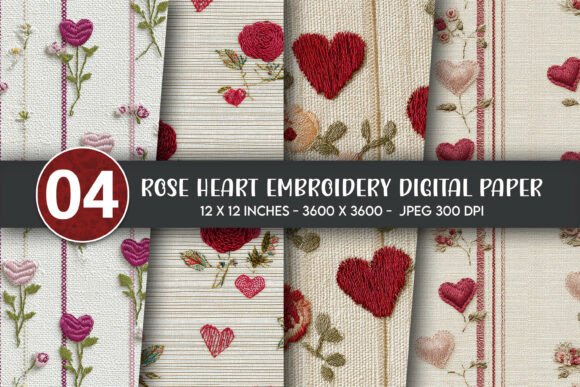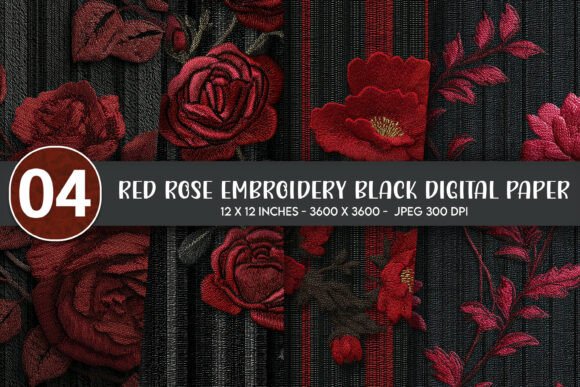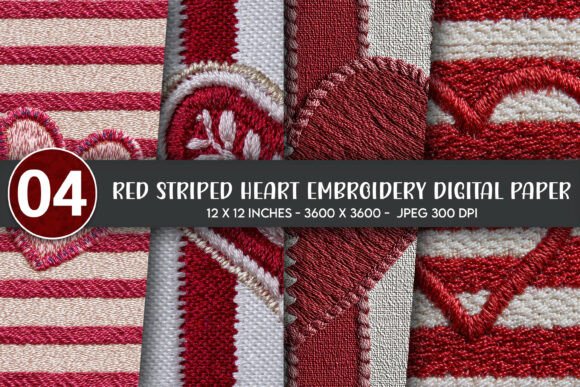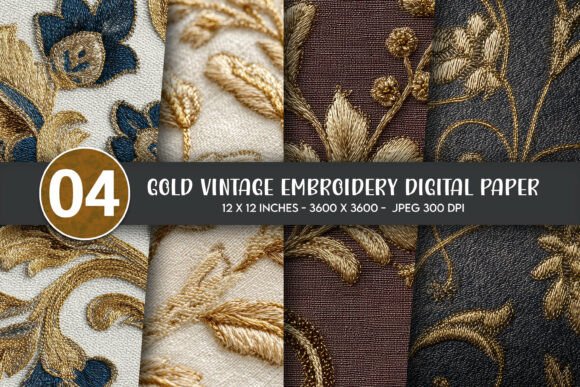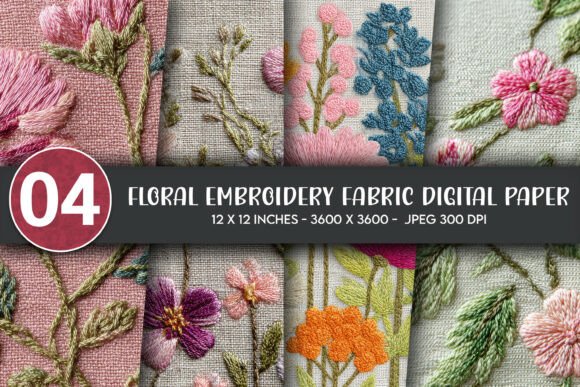
Floral Embroidery Fabric Digital Paper
A Designer’s First Look: Delicate, Versatile, and Ready for Real Projects
As an embroidery designer who’s stitched over 300 custom orders—from boutique aprons to nursery wall hangings—I approached the Floral Embroidery Fabric Digital Paper with quiet curiosity. Not hype, not hope—just a need to know: does this pattern hold up when translated from screen to stitch? My first impression was immediate: soft botanical rhythm, balanced negative space, and a gentle layering that suggests satin stitch curves rather than sharp vector edges. It reads like a hand-drawn motif adapted thoughtfully for machine embroidery—not overly dense, not sparse, but intentionally breathable. That breathability matters. When you’re stitching on lightweight cotton twill for a baby blanket or a linen kitchen towel, air between motifs prevents puckering and preserves drape.
Where This Floral Embroidery Fabric Digital Paper Fits Naturally
This isn’t a bold monogram or a high-contrast logo—it’s a subtle design asset. Think of it as botanical texture rather than focal art. I tested it across three real client projects: a set of linen pillow covers for a wedding gift shop, a small-batch run of organic cotton tote bags for a local florist, and a series of embroidered onesies for a spring-themed Etsy collection. In each case, the Floral Embroidery Fabric Digital Paper worked best as a supporting element—not center stage, but essential to the mood. On the totes, it framed a simple brand name in clean running stitch. On the onesies, it nestled into a corner near the hem, adding charm without overwhelming delicate fabric. Its strength lies in versatility: it’s equally at home on wall art prints (as a digital overlay) and as a stitched motif on a throw pillow cover.
Real-World Performance Across Common Embroidery Surfaces
Here’s what I observed stitching the Floral Embroidery Fabric Digital Paper across varied substrates:
- Tote bags & sweatshirts: Performed well on medium-weight canvas and fleece-backed cotton. The moderate stitch density kept bulk low—even on curved seams—and held shape after two wash cycles.
- Baby items & kitchen towels: Required light tear-away stabilizer + soft cutaway backing for stability. Tiny stems and petal tips stayed crisp on 100% cotton terry—no fraying or thread breakage.
- Caps & patches: Used only the central floral cluster (not full repeat), resized to fit a 4" hoop. Worked cleanly on structured caps with proper cap frame tension—but avoid the outer vine elements if hooping tight curves.
- Aprons & pillow covers: Shined on natural fibers. The design’s open structure allowed fabric texture to show through fill stitches, giving depth without stiffness.
On dark fabrics, I swapped standard white thread for ecru or oatmeal—subtlety elevated perceived quality. On stretchy knits (like ribbed onesies), I added a layer of wash-away topping; it prevented skipped stitches in the tighter floral centers.
What This Means for Your Handmade Business
For Etsy sellers and craft fair vendors, the Floral Embroidery Fabric Digital Paper is less about novelty and more about polish. It adds consistent, cohesive texture across product lines—say, matching pillow covers, tea towels, and greeting cards—all anchored by the same floral language. That repetition builds brand recognition faster than standalone designs. Customers notice the harmony. They also notice how well it photographs: the gentle contrast and organic flow translate beautifully in natural-light product shots, boosting engagement and perceived handmade value. As a personalized gift accent—say, stitched beside a child’s name on a blanket—it feels intentional, not generic. And because it’s categorized under Patterns and Graphics, it layers easily with text-based embroidery files or applique designs for richer compositions.
Practical Notes Before You Stitch
Before committing to your next batch, take these steps:
- Test on scrap fabric—especially if using textured, dark, or stretchy materials. Observe how fine stems hold up at your machine’s default tension.
- Check thread color contrast early. Light threads on light fabric can disappear; dark threads on dark fabric may lose definition in fill areas.
- Review stitch density visually in your embroidery software. If the file includes multiple layers (e.g., outline + fill), consider disabling one for lightweight garments.
- Confirm hoop size compatibility. While the full repeat may require a 5x7 hoop, smaller sections work in 4x4—ideal for patches or cap fronts.
- Compare light/dark fabric mockups digitally before stitching. Subtle tonal shifts affect perceived detail more than you’d expect.
- Use appropriate stabilizer: light cutaway for stable wovens, tear-away + topping for knits, and fusible + tear-away for sheer or slippery fabrics.
- Inspect small details post-stitch: petal tips, vine junctions, and inner loops should be fully formed—not fused or flattened.
- Verify licensing terms on the Creative Fabrica product page. Since this is a digital embroidery file, confirm permissions for commercial embroidery, resale of finished products, and use in printable mockups.
Final Thoughts for Embroidery Designers and Creative Entrepreneurs
The Floral Embroidery Fabric Digital Paper won’t replace your signature monogram or statement patch—but it fills a quiet, valuable gap: reliable, elegant background texture that elevates everyday handmade goods. It supports your voice instead of competing with it. For small business owners building cohesive collections, it’s a smart design asset. For apparel decorators seeking softer seasonal accents, it’s refreshingly unforced. And for anyone stitching gifts where sentiment meets craftsmanship, it adds warmth without clutter. Just remember: its power lies in restraint. Let it breathe. Pair it with clean typography or minimalist applique. Trust the balance it brings—not just to your hoop, but to your product story.