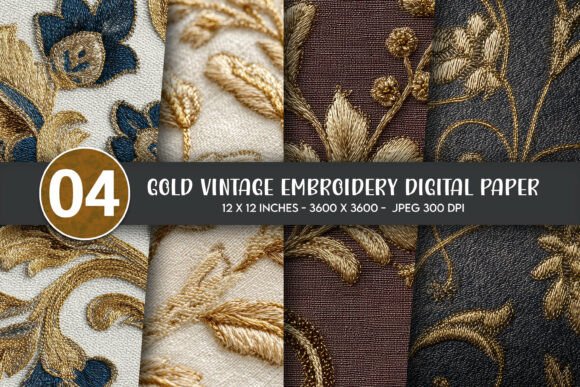
Gold Vintage Embroidery Digital Paper
First Impressions: Timeless Charm Meets Modern Versatility
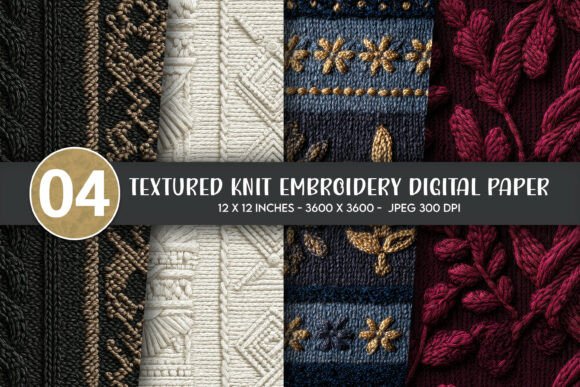
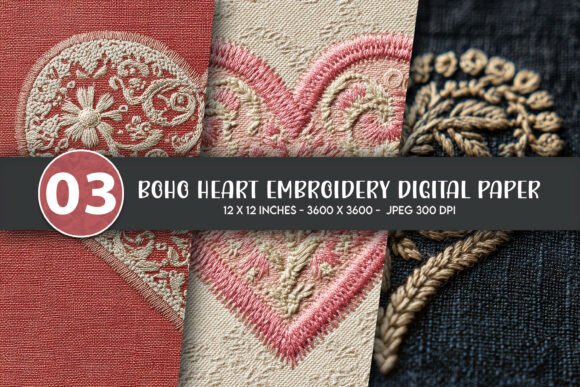
As an embroidery designer who’s stitched over 3,000 custom orders—from newborn onesies to heirloom wedding handkerchiefs—I opened Gold Vintage Embroidery Digital Paper expecting elegance. What I found was more: a quiet confidence in its line work, a warmth in its gold-toned motifs, and a delicate balance between ornate detail and wearable simplicity. It doesn’t shout—it invites. This isn’t flashy digital clipart; it’s an Illustrations-grade digital embroidery file that feels hand-drawn, with soft flourishes, subtle asymmetry, and gentle curves that echo traditional needlework. Its mood is romantic yet grounded—ideal for customers seeking something classic, not trendy. Think “grandmother’s linen drawer meets today’s curated nursery.” It leans sweet and elegant without veering into fussy or overly formal—and that duality is exactly why it works so well as a personalized gift.
Where This Design Truly Shines
Gold Vintage Embroidery Digital Paper thrives where meaning meets material. For baby embroidery, it transforms simple cotton blankets and muslin swaddles into keepsakes—imagine the design centered on a cream knit blanket, stitched in matte gold thread, with tiny floral accents echoing baby’s birth month. On kitchen towels? Instant heirloom energy—especially when paired with monogrammed initials in matching script. As a wedding gift, it elevates linen napkins, pillow covers, or even cotton aprons for the couple who bakes together. Nursery decor becomes cohesive when the same motif appears on a framed wall art print *and* embroidered onto a plush throw pillow—creating visual harmony across product types.
For Etsy sellers and small shop owners, this Graphics-based file is a quiet powerhouse. Use it to create printable mockups for listings (a must for customer trust), then stitch the real version on organic cotton totes, linen tea towels, or canvas pouches. Craft fair shoppers respond strongly to that “handmade but polished” look—and Gold Vintage Embroidery Digital Paper delivers it consistently. It also bridges generations: grandparents love gifting embroidered baby blankets with this motif, while millennial couples choose it for minimalist wedding favors like embroidered coaster sets or linen sachets.
Smart Placement Matters—Here’s Where to Pause
This design is versatile—but not universal. Its charm lives in fine linework and intentional negative space. That means caution is needed on textured fabric (like heavy terry cloth or bouclé) where delicate stems or thin lettering may blur. On thick towels or dense canvas, consider simplifying the inner details—or using a slightly larger hoop size to maintain clarity. Avoid placing the full motif on highly stretchy baby clothes unless you’re using high-quality stabilizer and testing extensively: gold thread + spandex = potential puckering.
Curved surfaces—mugs, curved tote handles, or rounded pillow corners—require thoughtful scaling and placement. And on dark fabric? Always test contrast: matte gold thread can recede on charcoal or navy unless paired with a bright underlay or slightly raised satin stitch density. Finally, remember frequent washing: if stitching for baby bibs or kitchen items, confirm your thread colors are colorfast and your stitch density allows for flexibility without fraying over time.
Why It Elevates Giftability—Beyond Just Looks
Customers don’t buy embroidery—they buy intention. Gold Vintage Embroidery Digital Paper signals care before the first stitch. Its vintage sensibility implies thoughtfulness; its gold tone whispers luxury without price tag pressure. When photographed beside a handwritten note or nestled in kraft packaging, it reads as a handmade product—even when produced at scale. That perception boosts perceived value instantly. Buyers linger longer on listings featuring this motif, engage more in custom order conversations (“Can you add our baby’s name?”), and leave reviews mentioning “heirloom quality” and “so much prettier in person.” For small business owners, that emotional connection translates directly to repeat sales and word-of-mouth referrals.
Practical Embroidery Notes You’ll Want to Bookmark
Before stitching your first customer order, take these steps:
- Always test on scrap fabric—especially if switching from light to dark backgrounds or changing stabilizer type.
- Check thread color contrast across lighting conditions: natural daylight vs. indoor bulb. Gold thread behaves differently on ivory versus oatmeal.
- Confirm hoop size compatibility with your machine—and whether the design fits comfortably within your standard hoop without re-hooping mid-stitch.
- Review stitch density: too dense risks stiffness on lightweight fabrics; too sparse loses definition on textured surfaces.
- Use proper stabilizer: tear-away for stable cottons, cut-away for knits, and water-soluble for delicate tops like silk-blend pillow covers.
- Compare light and dark fabric mockups side-by-side—not just digitally, but stitched—to guide customer expectations.
- Inspect small details after stitching: check that fine loops, leaf tips, and inner flourishes remain crisp and unbroken.
- Verify commercial licensing before selling finished products—this digital embroidery file is intended for commercial embroidery, but always double-check terms specific to your source.
In short, Gold Vintage Embroidery Digital Paper isn’t just another machine embroidery design. It’s a storytelling tool—one that helps small business owners, crafters, and handmade sellers deliver warmth, memory, and quiet sophistication in every stitch. Whether you're embroidering a baby’s first blanket, a wedding guest book cover, or a custom tote for a local boutique, this design carries weight—not because it’s heavy, but because it feels earned. And in today’s market, that’s the kind of detail customers remember, photograph, and pass down.