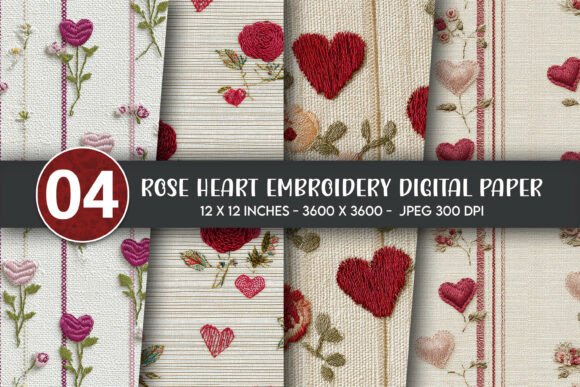
Red Striped Heart Embroidery Digital
First Impression: Bold, Cheerful, and Instantly Recognizable
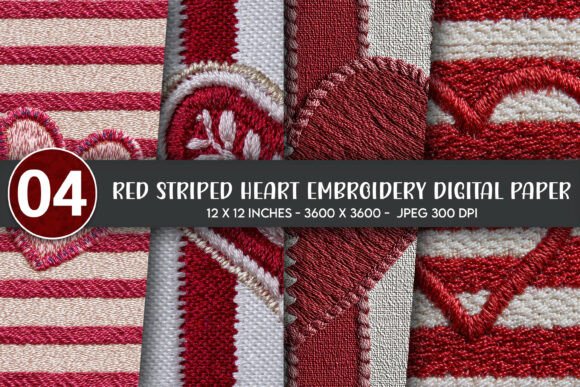
As an embroidery designer who’s prepped over 200 craft fair booths—and shipped thousands of embroidered handmade products—I opened Red Striped Heart Embroidery Digital expecting charm, but what landed was something sharper: confident simplicity. The title alone signals energy—red, striped, heart. No florals, no script, no vintage filters. It reads as modern folk art meets joyful minimalism: bold enough for a market tote, sweet enough for a onesie, structured enough to hold its own on dark fabric or textured tea towels. It doesn’t whisper “cute”—it beams “celebration.” That’s gold at a craft fair, where attention spans are measured in seconds and emotional resonance drives impulse buys.
Where It Shines: Craft Fair-Ready Product Pairings
Red Striped Heart Embroidery Digital isn’t just versatile—it’s *strategically* adaptable. On a heavyweight canvas tote bag? It pops with graphic clarity, especially when stitched in high-contrast red thread against natural linen or oatmeal cotton. As an apron embroidery? Centered above the pocket, it adds warmth without clutter—ideal for bakeries, florists, or indie coffee shops sourcing small-shop products. For tea towel embroidery, the clean lines translate beautifully even on terry cloth; just avoid overly dense stitch areas near the hem where fabric bunching can distort stripes.
It works exceptionally well as an embroidered patch—clean edges, no tiny interior details to fray—and scales cleanly down to 2.5” for caps or pouches. As a pillow cover focal point (centered on 16”–20” square), it feels intentional and giftable—not generic. And yes, it holds up in printable mockups for Etsy listings: the high-res digital paper ensures crisp thumbnails and zoomable detail, which directly lifts conversion rates for digital sellers and boutique makers alike.
What Makes It Sell: Clarity, Consistency, and Crowd Appeal
This design succeeds because it’s instantly legible at booth distance. No squinting. No decoding. At 3 feet, customers see color, shape, rhythm—the stripe pattern creates visual motion that draws the eye before the heart even registers. That’s critical when your table competes with 49 other vendors under fluorescent tent lights.
It also supports brand consistency. Whether you’re stitching it on a set of matching market bags and tea towels—or pairing it with neutral-toned handmade gifts—it reinforces a cohesive, upbeat aesthetic. Buyers remember how it *feels*: warm, handmade, uncomplicated. That perception elevates perceived value—even on affordable items like patches or small pouches.
For batch production? Extremely repeatable. No gradients, no micro-details, no overlapping lettering. You can run 50 identical tote bag designs in one afternoon with consistent tension and thread colors—no re-hooping drama. That reliability matters when you’re juggling craft fair prep, Etsy orders, and Cricut side projects.
Real-World Production Notes Every Embroiderer Should Check
- Test first on scrap fabric—especially if using textured towels, thick denim, or curved cap surfaces. Stripe integrity depends on stabilizer choice and fabric give.
- Review stitch density before scaling down below 3”. Tight stripes may blur or merge on small hoop sizes or dense fabrics.
- Confirm thread contrast: true red on black fabric reads differently than on ivory. Always stitch a sample in your intended thread palette.
- Hoop size matters: this design likely fits standard 4×4 or 5×7 hoops—but verify before digitizing or purchasing. Oversized versions may require re-hooping mid-stitch.
- Stabilizer is non-negotiable: use cutaway for stretchy knits (t-shirts, onesies) and tear-away for stable wovens (totes, pillow covers). Skip it, and stripes warp.
- Create at least one real mockup—not just a digital preview. How does it drape on a curved apron? Does the heart sit centered on a 12” round mug wrap? Real fabric answers real questions.
- Compare fabric colors: red thread behaves differently on cream vs. charcoal vs. navy. What reads vibrant online may mute in person.
- Confirm commercial licensing before selling finished products. As a Graphics and Patterns asset, usage rights vary—don’t assume resale permission.
Design Limitations to Respect—Not Avoid
This isn’t a flaw—it’s realism. Red Striped Heart Embroidery Digital doesn’t include fine linework, script, or shading, so it won’t satisfy clients seeking ornate heirloom embroidery. It also doesn’t adapt to ultra-small applications (<2”) without potential stripe loss—so skip it for keychain charms or baby sock cuffs unless you’ve tested and confirmed clarity. On dark fabric, ensure your red thread has enough saturation to avoid looking dusty or brownish. And while it works on mugs and stickers, remember: those uses rely on the *digital paper* version—not the machine embroidery file—so keep your asset types clearly separated in your workflow.
Final Verdict: A High-Return, Low-Risk Craft Fair Staple
If your booth sells handmade products rooted in joy, authenticity, and everyday beauty, Red Striped Heart Embroidery Digital earns its spot front-and-center. It converts browsers into buyers, photographs like a pro, stitches like a dream, and scales across categories—from $8 patches to $48 pillow covers—without diluting your handmade quality. It’s not flashy for flashiness’ sake. It’s bold with purpose. It’s simple, but never basic. And in the crowded world of craft fairs, Etsy shops, and small-batch embroidery businesses, that kind of focused impact is rare—and highly profitable.
Before You Stitch: One Last Checklist
- Download and inspect the full file package—look for multiple sizes or formats if needed.
- Match your chosen fabric texture and weight to the recommended stabilizer type.
- Run a test on scrap using your exact thread colors and machine settings.
- Photograph the sample in natural light—and compare it to your Etsy listing mockup.
- Double-check license terms for commercial embroidery and finished product resale.