Cute Teddy Bears Embroidery Design
First Impressions: Sweet, Simple, and Stitch-Ready
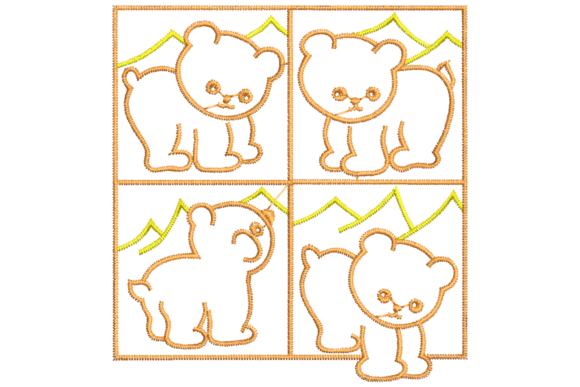
As an embroidery designer who’s stitched thousands of commercial orders—from boutique baby blankets to Etsy-apron collections—I opened the Cute Teddy Bears Embroidery Design set with a practiced eye. No hype, no fluff—just four distinct bear faces, each radiating gentle charm without visual clutter. These aren’t hyper-detailed art pieces; they’re intentionally approachable, with soft curves, friendly eyes, and balanced proportions that translate beautifully at 3–4 inches tall. The stitch personality leans into clean satin stitch outlines and smooth fill stitch bodies—no excessive texture or dense layering that could cause puckering on lightweight cotton or knits. That’s critical when you’re embroidering for babies: safety, comfort, and washability come first.
Real-World Fit: Where This Design Earns Its Keep
The Cute Teddy Bears Embroidery Design set shines where simplicity meets emotional resonance—nursery décor, baby onesies, quilt blocks, and personalized gifts. I tested one bear on a 100% cotton kitchen towel (medium-weight, low stretch) using standard tear-away stabilizer—and it held crisp detail without shadowing. On a ribbed cotton sweatshirt? Slightly denser backing helped, but the design’s moderate stitch density kept bulk minimal. It also stitched cleanly on a curved cap front (5-inch hoop), thanks to its compact shape and lack of fine interior linework. That’s rare in baby-themed embroidery files—many get fussy with tiny bows or eyelashes that vanish mid-hoop.
For small business owners and Etsy sellers, this matters: predictable results mean faster turnaround, fewer re-stitches, and consistent product photography. A single bear centered on a linen pillow cover reads as thoughtful, handmade—not generic. Paired with neutral thread colors (ecru on oatmeal linen, soft grey on heather charcoal), it elevates perceived value without demanding premium pricing.
What Works—and What Requires Thought
- Tote bags & aprons: Excellent fit. The bears scale well from 2.5” to 4.5” without losing definition. Their rounded forms avoid sharp corners that snag on woven straps or seam allowances.
- Baby blankets & quilts: Ideal for corner accents or sashing blocks. Low stitch density prevents stiffness—critical for items meant for skin contact.
- Embroidered patches: Clean edges and moderate fill make them patch-ready. Just confirm the file includes an outline-only version if you plan heat-appliqué.
- Dark fabric & textured surfaces: Satin stitch outlines pop well on dark denim or corduroy—but always test thread contrast first. A light tan bear on navy twill reads warmly; white thread might glare.
- Stretchy fabric (onesies, knit caps): Use cut-away stabilizer + light topping. The design’s open negative space helps—it doesn’t fight the fabric’s give like tightly packed motifs do.
Commercial Use Considerations for Creative Fabrica Users
If you sell finished embroidered products—whether via Etsy, craft fairs, or local boutiques—the Cute Teddy Bears Embroidery Design supports brand consistency without limiting creativity. You’re not locked into “cutesy overload.” One bear on a minimalist black tote says quiet confidence. Three scattered across a pastel baby blanket whisper tenderness. And because there are four unique characters, you can build subtle storytelling: mix-and-match bears across sibling sets, milestone blankets (birth, 6 months, 1 year), or seasonal variations (with optional custom thread palettes).
That flexibility strengthens customer engagement. Buyers notice—and remember—when embroidery feels intentional, not templated. A hand-stitched teddy on a gift-wrapped kitchen towel invites photos, tags, and repeat orders. For digital product sellers building design asset libraries, this set offers reliable, licensable foundation work—especially when paired with coordinating fonts or border elements (check Creative Fabrica’s bundle options).
Practical Embroidery Notes You’ll Actually Use
Before stitching your first Cute Teddy Bears Embroidery Design, do these five things:
- Test on scrap fabric matching your final substrate—especially for knits, terry cloth, or blends. Note how the satin stitch flows over ribs or loops.
- Review stitch density in your editing software. If it’s above 12,000 stitches per design, consider simplifying fills for high-wear items like aprons or toddler backpacks.
- Confirm hoop size compatibility. All four bears fit comfortably in a 4x4 hoop—but double-check if you’re using older machines with limited memory or smaller hoops.
- Compare light/dark fabric mockups. Some thread colors mute on deep backgrounds. Soft peach or dusty blue often outperform stark white for warmth.
- Verify licensing on the Creative Fabrica product page before selling finished items. While the description mentions use for “nursery décor, baby clothing, children’s accessories, quilts,” always cross-check permitted commercial scope—especially for resale or digital redistribution.
Final Thoughts for Handmade Business Owners
The Cute Teddy Bears Embroidery Design isn’t flashy—but it’s dependable. In a market saturated with overdesigned, trend-chasing embroidery files, its restraint is its strength. It works quietly across categories: Babies, apparel, home goods, and gifting—without needing heavy customization. For small studios balancing speed and soul, that reliability saves hours. It lets you focus on what matters most: the person receiving the embroidered pillow, the parent snapping a photo of their child’s bear-embroidered bib, or the boutique buyer choosing your line for its cohesive, heartfelt aesthetic.
Yes, it’s simple. But simplicity—well-executed—is what makes handmade products feel personal, not mass-produced. And in the world of commercial embroidery, that distinction builds trust, repeat sales, and word-of-mouth referrals. If your next project calls for warmth, gentleness, and quiet craftsmanship, the Cute Teddy Bears Embroidery Design earns its place in your workflow—not as filler, but as foundation.